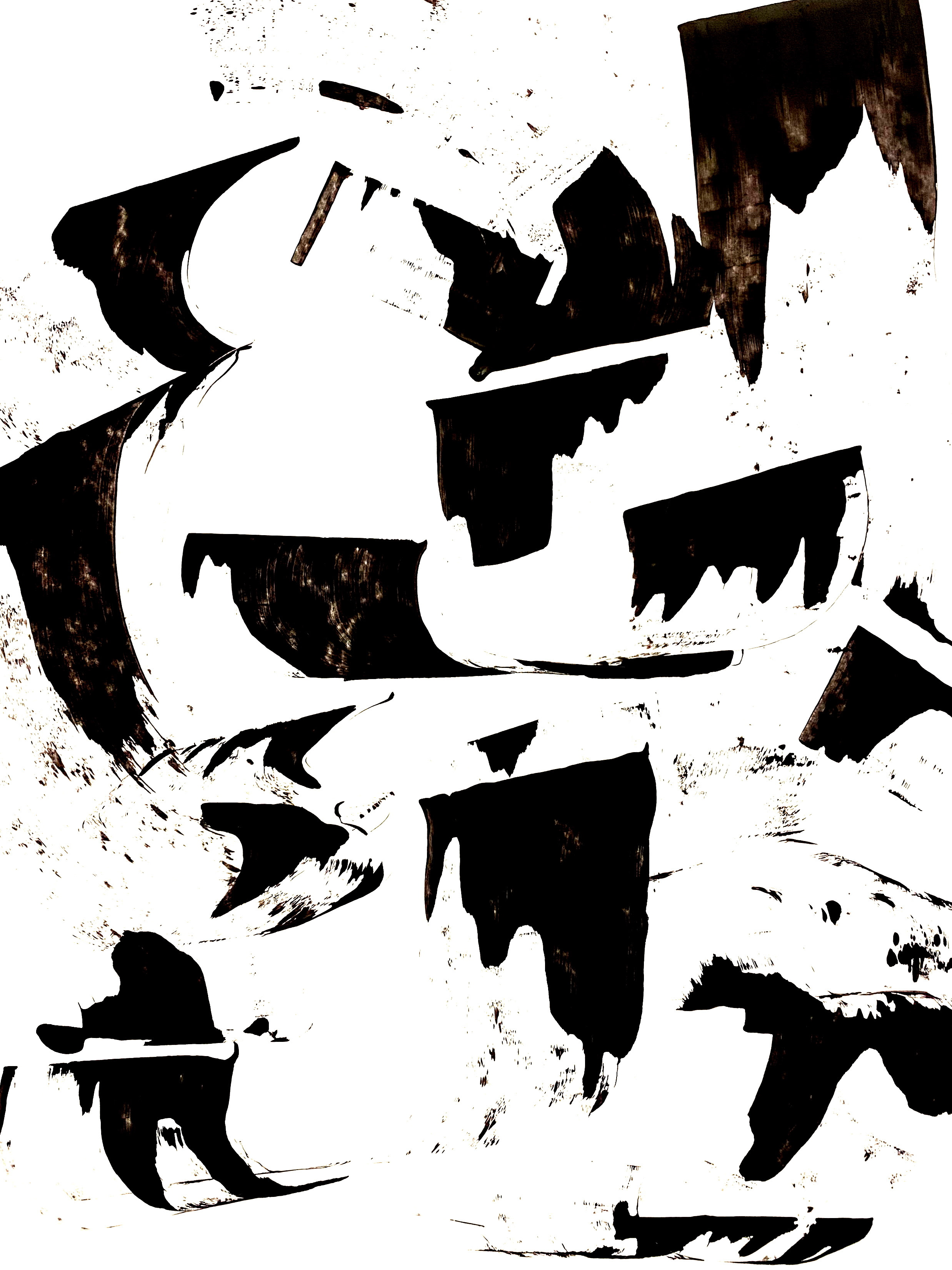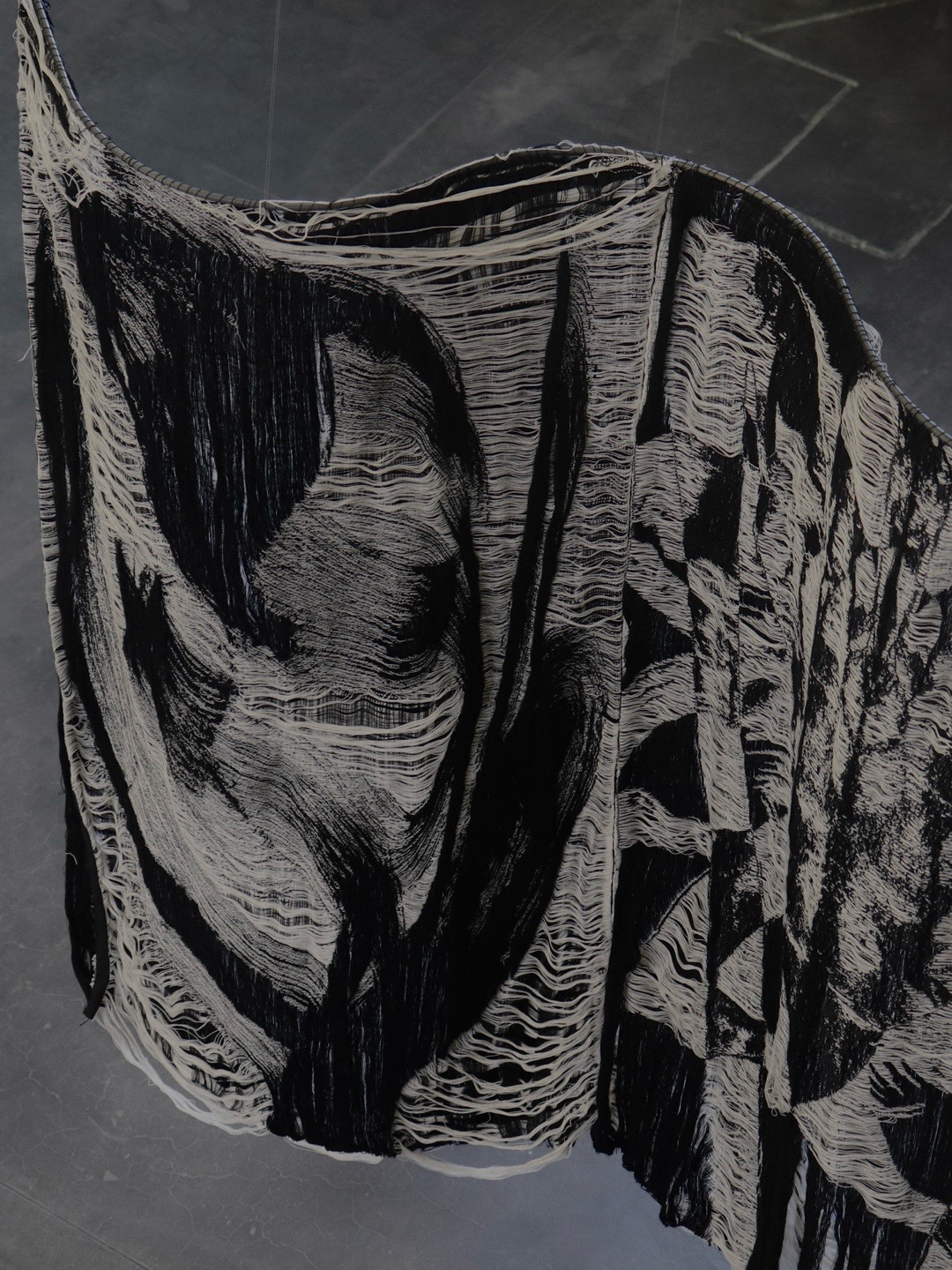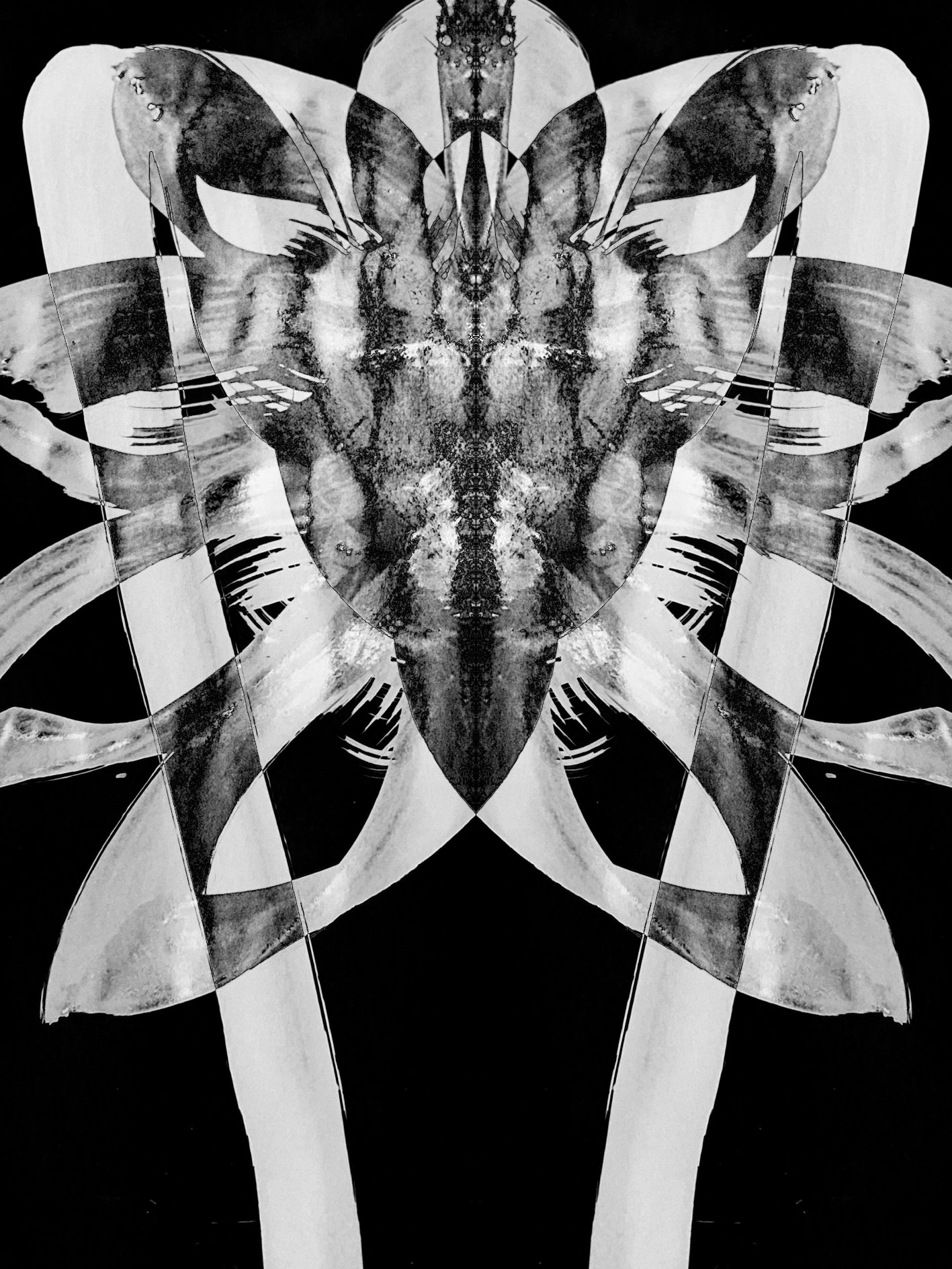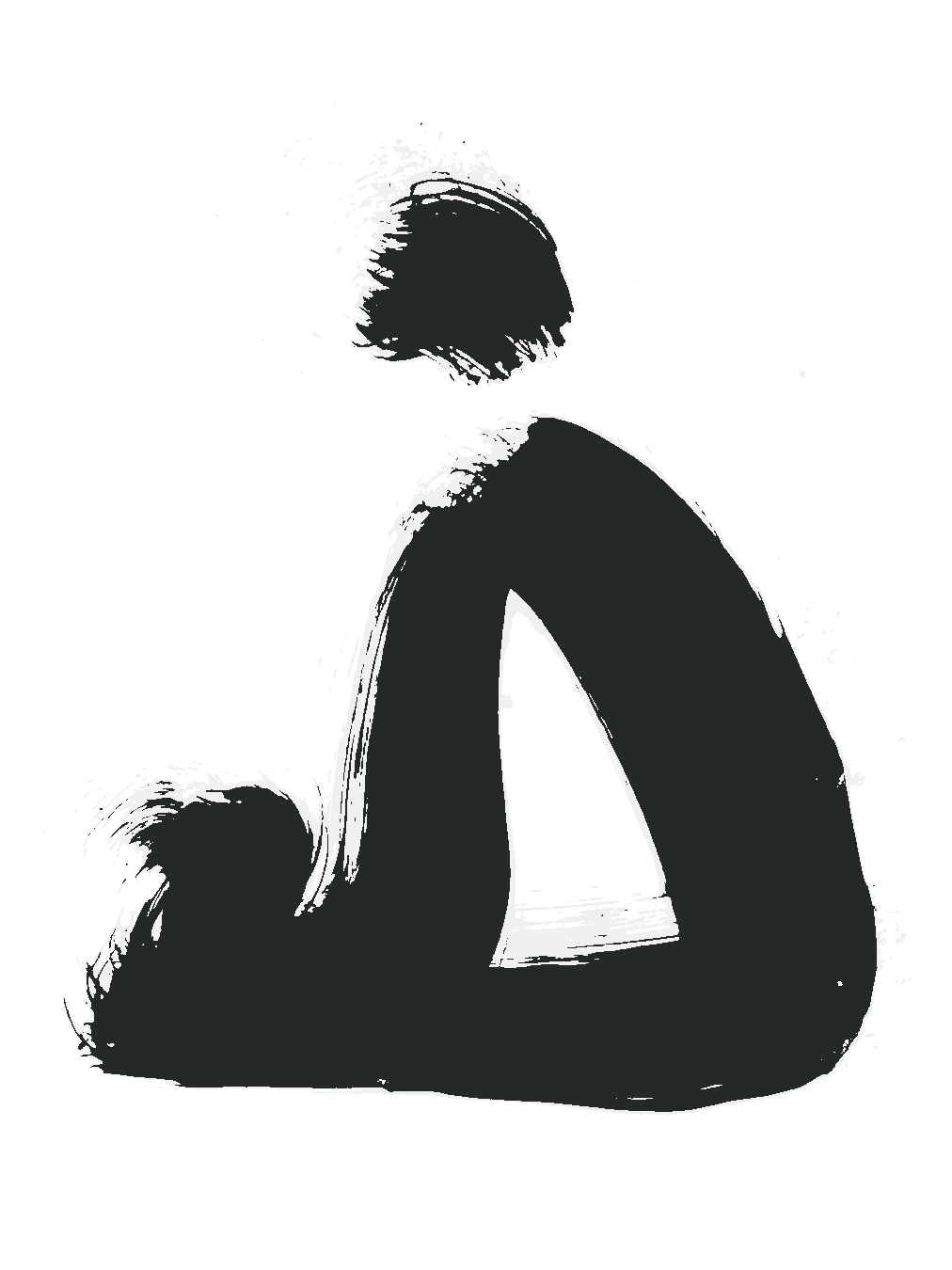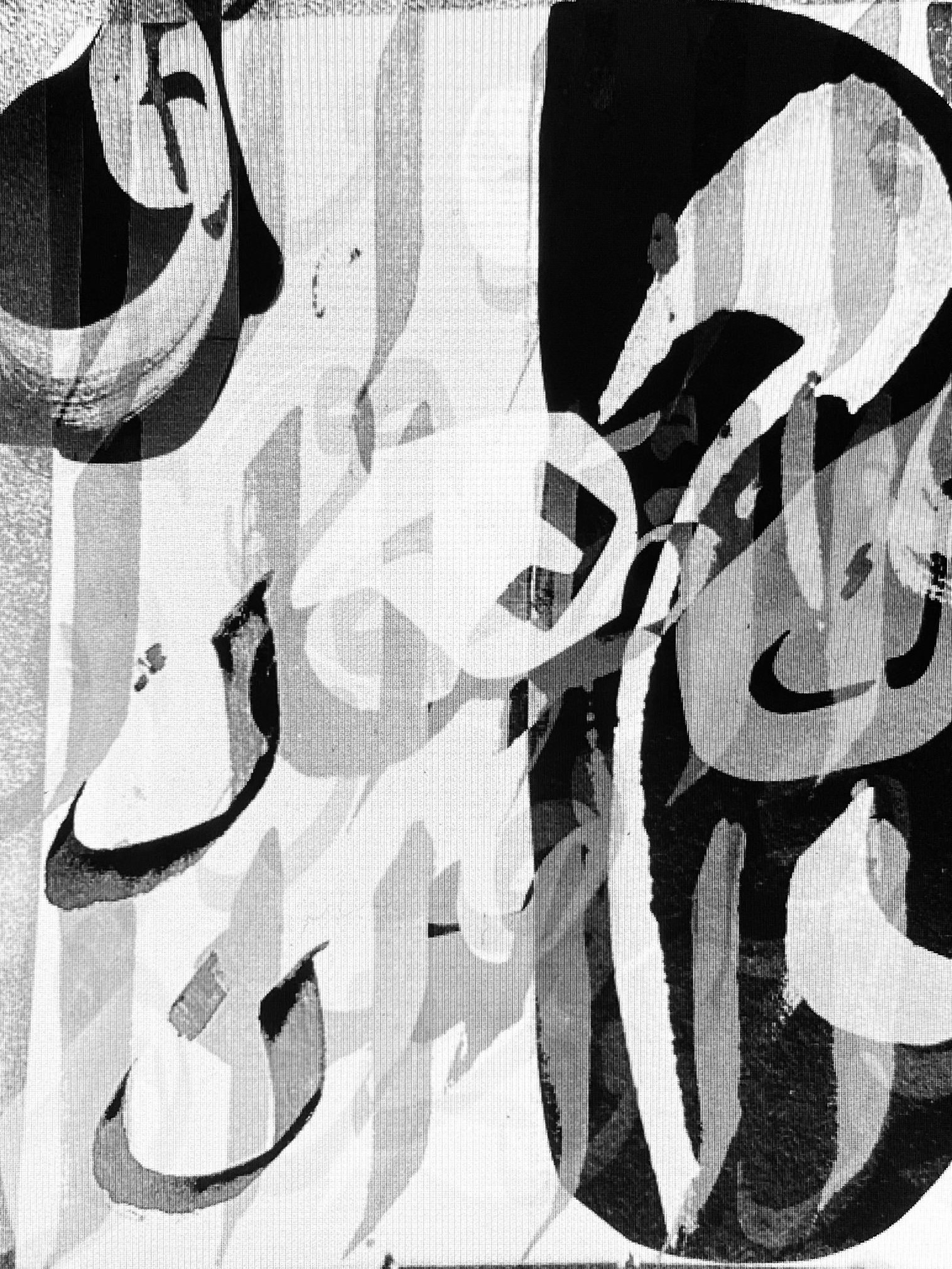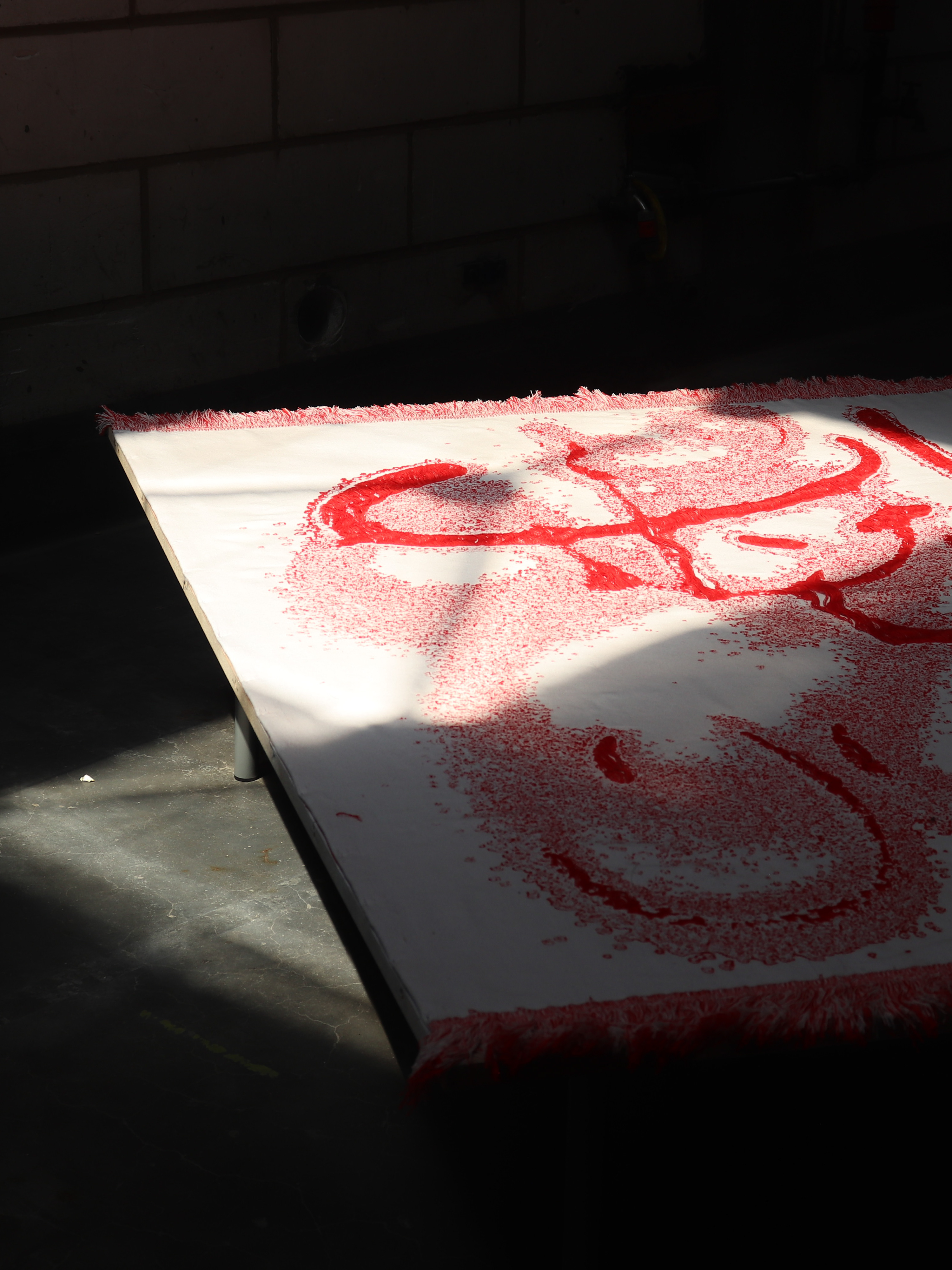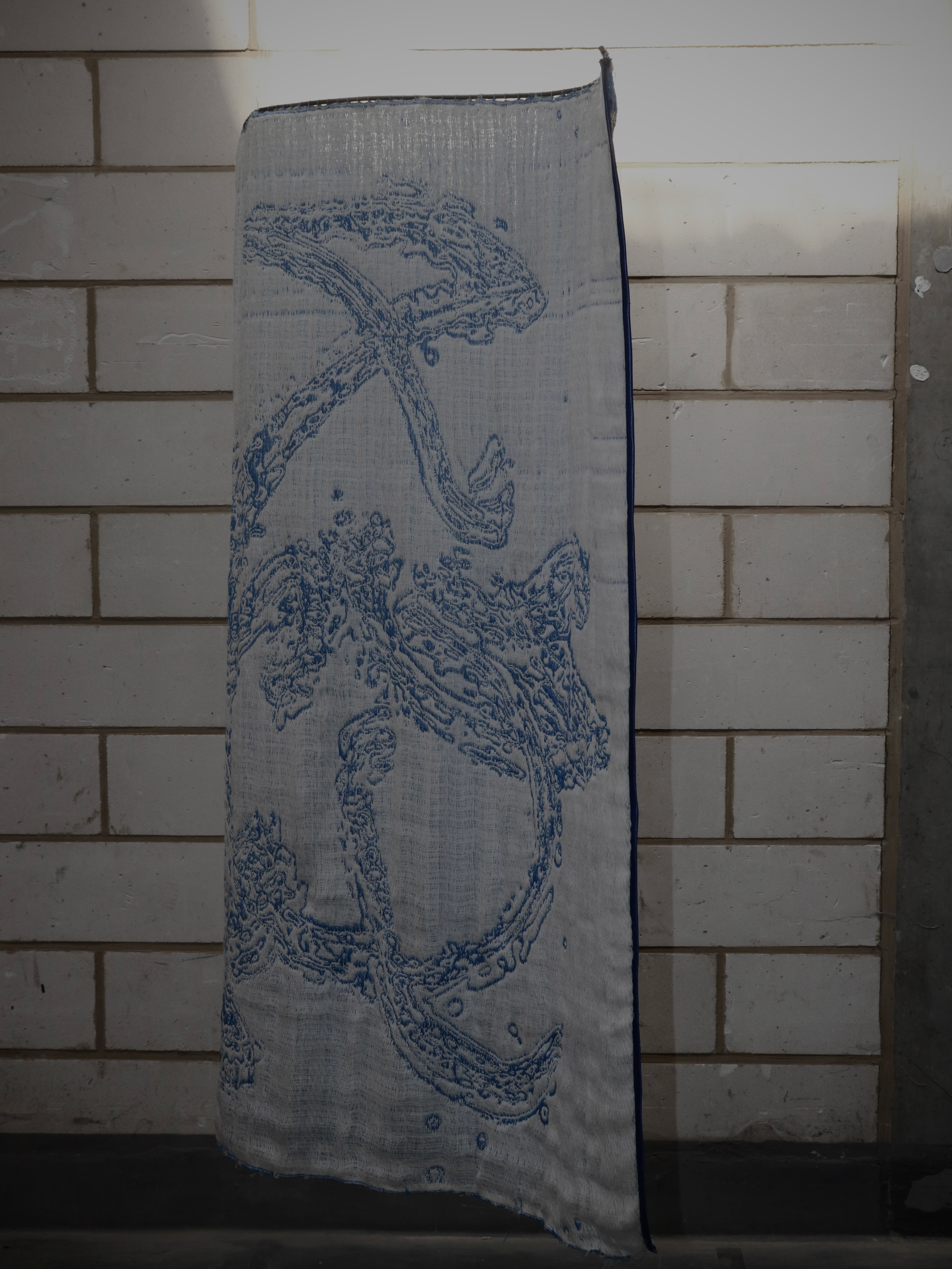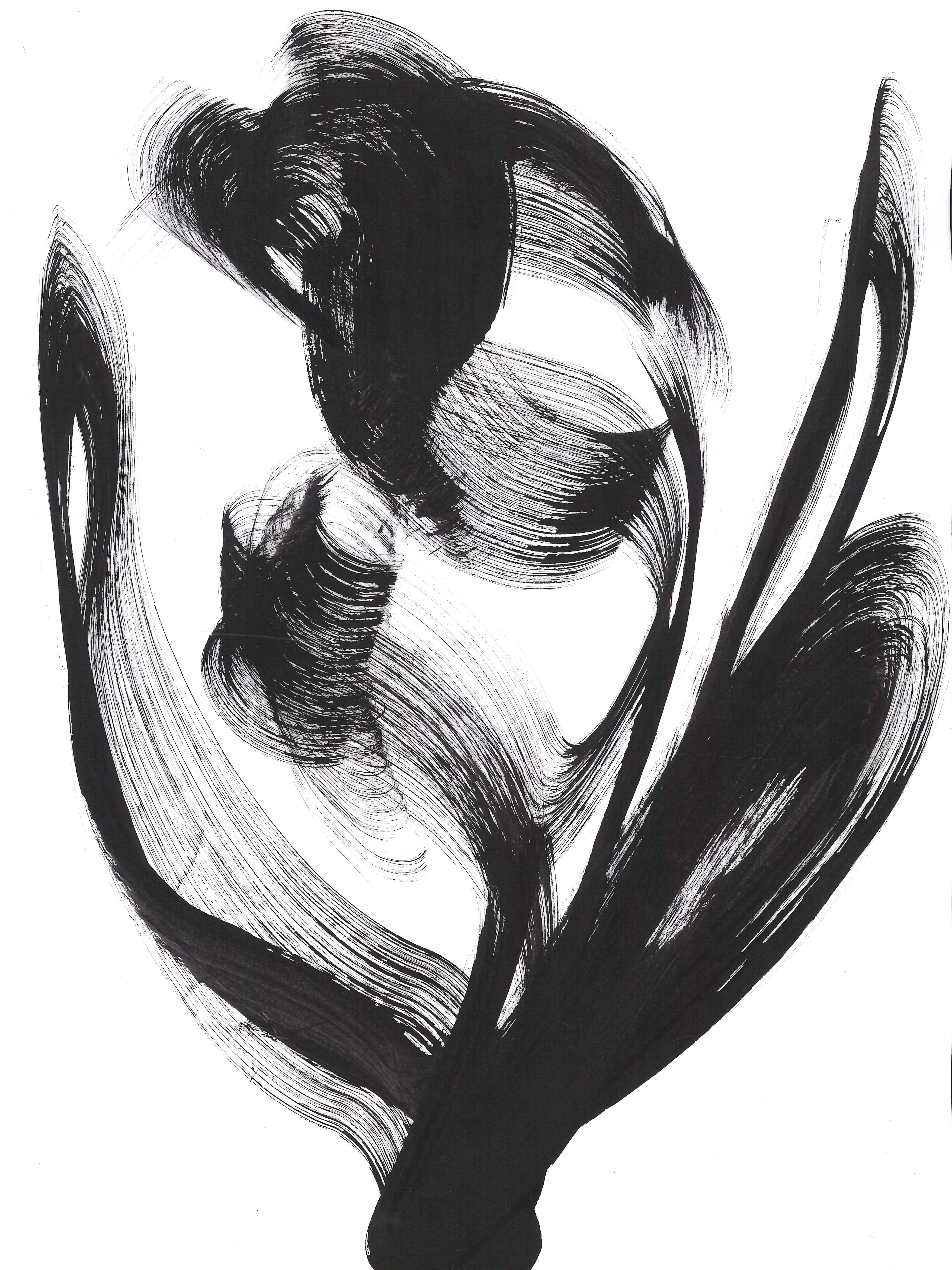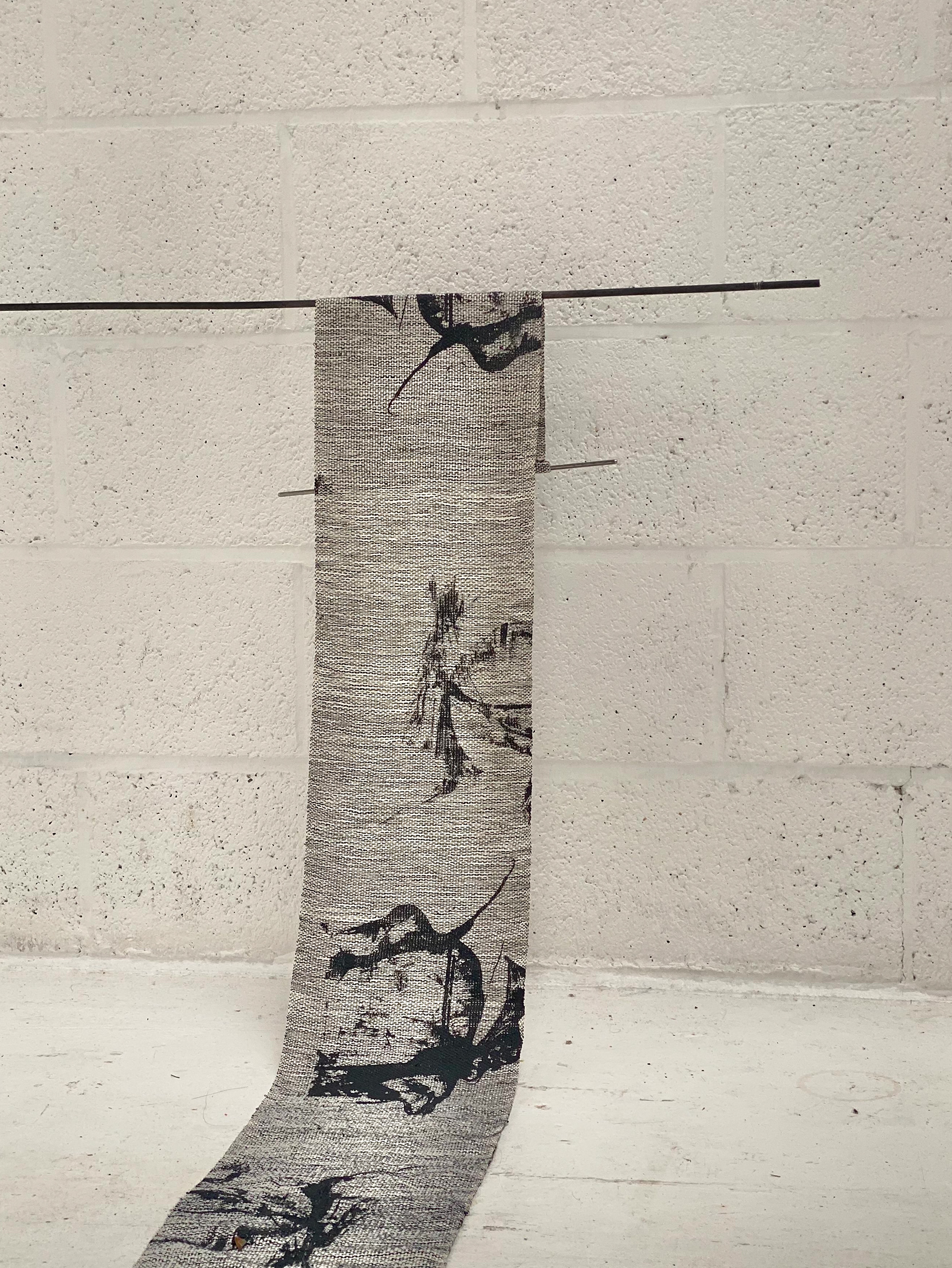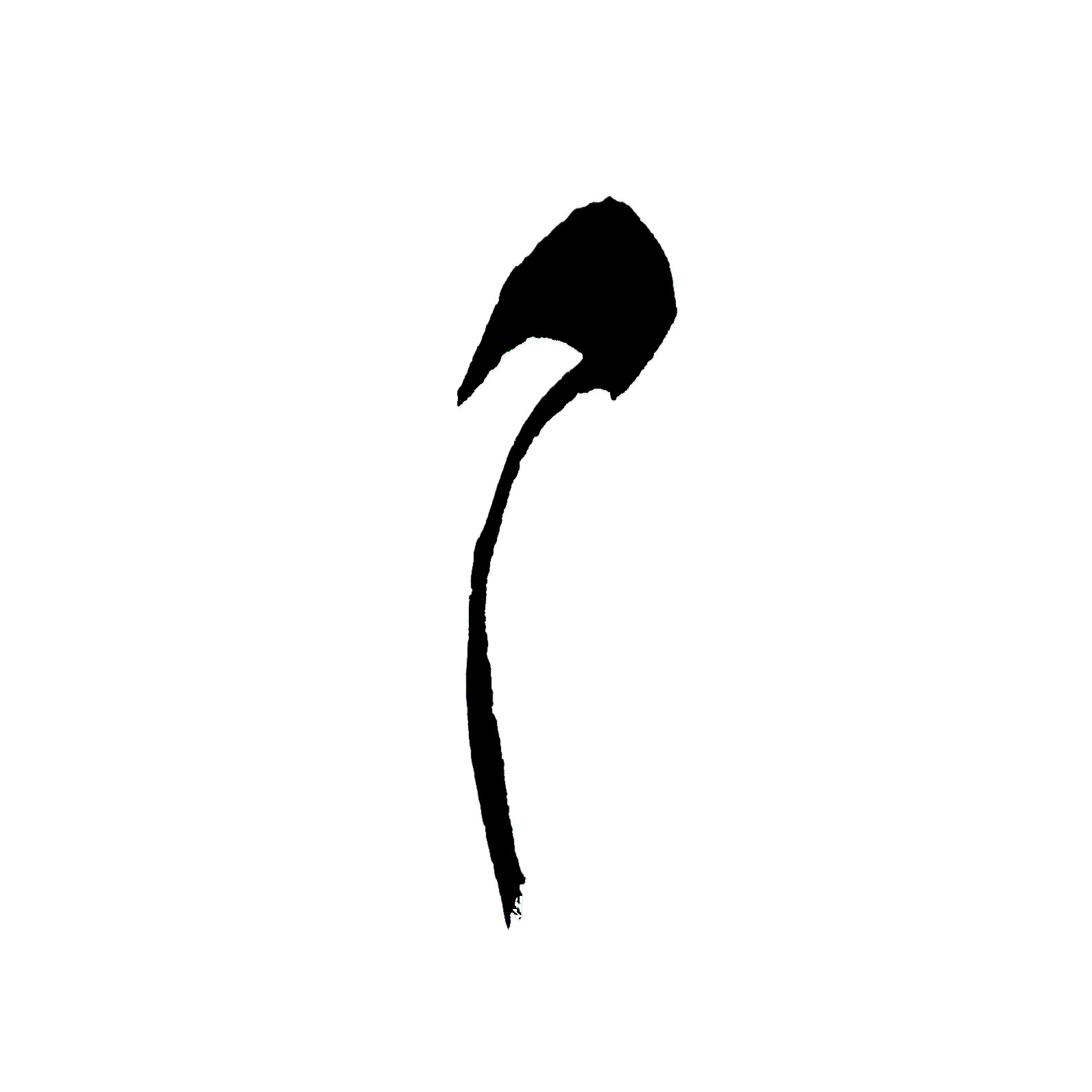
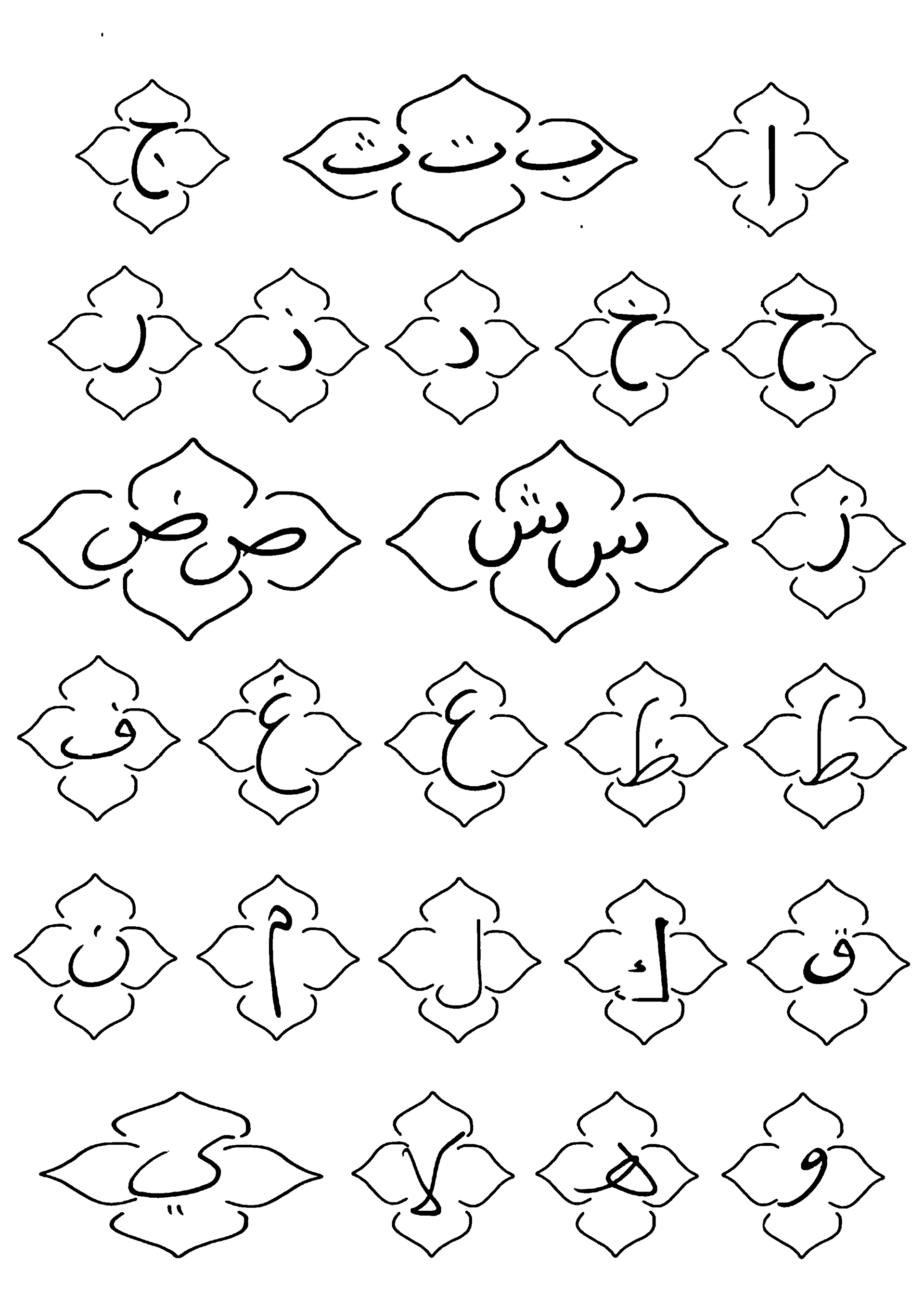
The Arabic alphabet consists of 28 letters, each with its own unique form and potential for spiritual interpretation. In Islamic calligraphy, these letters are not merely signs that represent sounds; each is regarded as a sacred building block of the Word, a symbol that forms part of a cosmic grammar. Every letter carries a rhythmic energy, a form that moves with breath, ink, and intention.
Each letter is not only an aesthetically charged shape brought into being by the calligrapher’s hand, but also a spiritual vessel holding deeper meanings. In Sufi poetry, letters become characters — signs of love, wisdom, or hidden truths. As Schimmel writes:
“Every letter carries a universe, and every curve, a breath of the Divine.”
In calligraphic practice, letters are not simply written; they are embodied. They become sound, rhythm, line, and intention, through which the calligrapher forgets themselves and becomes a channel for the text.
In the beginning, there was no stone, no color, no line —
only breath, a whisper: Read.
Letters awoke from light,
and the pen flowed like water over silence.
only breath, a whisper: Read.
Letters awoke from light,
and the pen flowed like water over silence.
“Recite! In the name of your Lord, who created — created man from a clinging clot. Recite! And your Lord is the Most Generous — who taught by the pen, taught man what he did not know.”
(Surat Al-‘Alaq – The Clot 96:1–5) (Leemhuis, 2020, p.414)
(Surat Al-‘Alaq – The Clot 96:1–5) (Leemhuis, 2020, p.414)
It began with the pen:
in invisible form,
in curves and repetition,
in silence and rhythm — a whisper of the One: “Nun. By the pen and what they inscribe.”
(Surat Al-Qalam – The Pen 68:1) (Leemhuis, 2020, p.388)
in invisible form,
in curves and repetition,
in silence and rhythm — a whisper of the One: “Nun. By the pen and what they inscribe.”
(Surat Al-Qalam – The Pen 68:1) (Leemhuis, 2020, p.388)
And it still speaks
through the hand of the calligrapher.
through the hand of the calligrapher.